
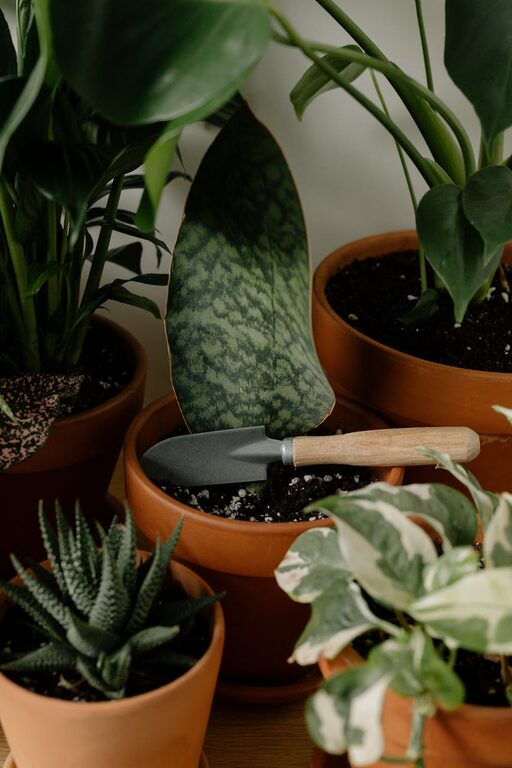
Bringing houseplants into your home can brighten up any space, improve air quality, and add a touch of nature to your daily life. However, keeping them healthy and thriving requires some attention and care. Whether you’re a seasoned plant enthusiast or a beginner, these practical tips will help you nurture your indoor garden with confidence.
Understanding Your Houseplant’s Needs
Every plant species has its own specific requirements, but most houseplants share some basic needs. Understanding these essentials is the first step to keeping your plants healthy.
Light Requirements
Plants rely on light for photosynthesis, so it’s important to provide the right amount based on the type of plant.
– Bright, indirect light: Many common houseplants like pothos, spider plants, and peace lilies thrive here.
– Low light: Some plants can tolerate shaded spots, such as snake plants and ZZ plants.
– Direct sunlight: Succulents and cacti often need several hours of bright, direct sun.
Tips:
– Observe your plant and adjust its position if leaves start to yellow or become leggy.
– Rotate your pots every week for even light exposure.
Watering Wisely
Overwatering and underwatering are the most common causes of houseplant problems.
– Check the soil moisture: Before watering, feel the top inch of soil; water only when it feels dry.
– Use the right amount: Water just until it drains from the bottom of the pot to avoid root rot.
– Empty excess water: Never let your plant sit in standing water for long periods.
Tips:
– Use a moisture meter if you’re unsure about soil dryness.
– Reduce watering frequency in winter when plant growth slows down.
Soil and Fertilizer
Healthy soil provides nutrients and a stable environment for your plant’s roots.
Choosing the Right Soil
Different plants prefer different soil types:
– Well-draining soil: Perfect for succulents and cacti.
– Moisture-retentive soil: Ideal for tropical plants like ferns.
Fresh potting soil every year or two is recommended to replenish nutrients.
Fertilizing Smartly
Plants benefit from fertilizer during their growing season.
– Use a balanced, water-soluble fertilizer for general houseplants.
– Fertilize every 4-6 weeks in spring and summer.
– Avoid fertilizing during the dormant months (fall and winter).
Pot Selection and Repotting
Your plant’s pot can affect its health in several ways.
– Proper drainage: Ensure your pot has drainage holes.
– Size matters: A pot that’s too large can hold excess moisture; too small can restrict roots.
When and How to Repot
Repotting refreshes soil and gives roots more room to grow.
Signs your plant needs repotting:
– Roots growing out of drainage holes.
– Plant becomes top-heavy or struggles to absorb water.
Choose a pot 1-2 inches larger in diameter and repot during spring or early summer.
Controlling Pests and Diseases
Indoor plants are not immune to pests and diseases but catching problems early can prevent serious damage.
– Common pests: spider mites, aphids, mealybugs.
– Look for signs like yellowing leaves, sticky residue, or tiny webs.
Natural Pest Control Tips
– Wipe leaves with a damp cloth regularly.
– Use insecticidal soap or neem oil sprays.
– Isolate new plants before introducing them to your collection.
Additional Tips for Thriving Houseplants
Humidity
Many houseplants appreciate humidity since indoor air can be dry, especially in winter.
– Place plants near a humidifier.
– Group plants together to create a micro-humid environment.
– Mist leaves occasionally, but avoid waterlogging soil.
Temperature
Keep plants away from drafts, heaters, and air conditioners. Most houseplants prefer temperatures between 65-75°F (18-24°C).
Cleaning and Pruning
– Dust leaves regularly to enable photosynthesis.
– Prune yellow or dead leaves to promote healthy growth.
– Pinch back stems to encourage bushier growth.
Conclusion
Keeping your houseplants healthy is a rewarding experience that brings life and beauty into your home. By paying attention to their light, water, soil, and overall environment, you can enjoy thriving greenery year-round. Remember that every plant is unique; observe, adjust, and enjoy the process of nurturing your indoor garden!
Happy gardening!