
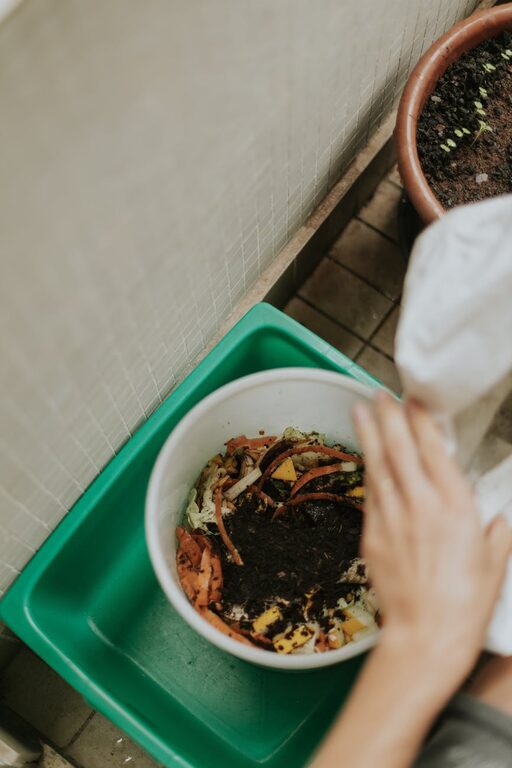
Composting at home is a fantastic way to reduce household waste, enrich your garden soil, and contribute to a healthier environment. If you’re new to composting, don’t worry—getting started is simpler than it might seem. In this guide, we’ll cover beginner-friendly tips to help you set up your composting system and keep it thriving.
What is Composting?
Composting is the natural process of recycling organic matter—like food scraps and yard waste—into nutrient-rich soil. This “black gold” improves soil structure, provides essential nutrients for plants, and helps retain moisture. Instead of sending these materials to the landfill, composting allows nature to break them down efficiently in your own backyard.
Why Compost at Home?
– Reduces waste: About 30-40% of household waste is compostable.
– Saves money: Less waste means less trash disposal costs, and quality compost reduces the need for fertilizers.
– Improves garden health: Compost provides vital nutrients and helps your soil retain water.
– Eco-friendly: Composting reduces methane emissions from landfills and supports soil biodiversity.
Getting Started: Choose a Composting Method
There are several ways to compost depending on your available space and lifestyle:
1. Compost Bin
– Ideal for small to medium-sized gardens or patios.
– Available in plastic or wooden designs with lids to keep pests out.
– Can be purchased or homemade.
2. Compost Pile
– A simple heap in your yard.
– Requires more space and may take longer to decompose.
– Good for larger gardens or if you have lots of yard waste.
3. Worm Composting (Vermicomposting)
– Uses worms to break down kitchen scraps quickly.
– Perfect for small indoor spaces or apartments.
– Produces nutrient-rich worm castings.
Beginner Tips for Successful Composting
Choose the Right Location
– Pick a spot with good drainage, partial sunlight, and easy access.
– Keep your compost area ventilated but sheltered from heavy rain.
Balance Greens and Browns
Compost needs a mix of “green” nitrogen-rich materials and “brown” carbon-rich materials.
– Greens: fruit and vegetable scraps, coffee grounds, fresh grass clippings.
– Browns: dry leaves, straw, shredded paper, cardboard.
A good rule of thumb is to maintain about 2 to 3 parts brown to 1 part green.
Chop or Shred Materials
Breaking down items into smaller pieces speeds up decomposition. Use scissors or a garden shredder for tough materials.
Keep It Moist but Not Wet
Compost should feel like a damp sponge. Water your pile if it’s too dry, or add more brown materials if it’s soggy.
Turn Your Compost Regularly
Aerating your compost by mixing it every 1-2 weeks provides oxygen that helps microbes break down the material faster.
Avoid Adding These Items
– Meat, dairy, and oily foods (attract pests and cause odor)
– Diseased plants or weeds with seeds
– Pet waste (can carry pathogens)
Be Patient
Composting takes time—anywhere from a few months to a year depending on conditions. The finished compost should be dark, crumbly, and smell earthy.
How to Use Your Finished Compost
– Mix into garden beds before planting.
– Use as a top dressing for lawns and potted plants.
– Blend with potting soil for healthier houseplants.
Troubleshooting Common Problems
| Problem | Cause | Solution |
|———————|—————————–|————————————-|
| Foul odor | Too much moisture or greens | Add browns and turn the pile |
| Slow decomposition | Not enough oxygen or greens | Turn more often and add green scraps |
| Pests in the pile | Meat/dairy or uncovered pile| Remove attracted items, cover compost securely |
Final Thoughts
Starting a compost bin at home is an easy step towards a more sustainable lifestyle. By following these beginner tips, you can reduce your waste, improve your garden soil, and enjoy the satisfaction of turning scraps into valuable compost. Happy composting!
—
If you want to dive deeper, consider joining local gardening groups or watching online tutorials to enhance your composting skills. Remember, every small effort makes a big difference for the planet.